


Trump orders US Navy to block Strait of Hormuz after Iran talks collapse
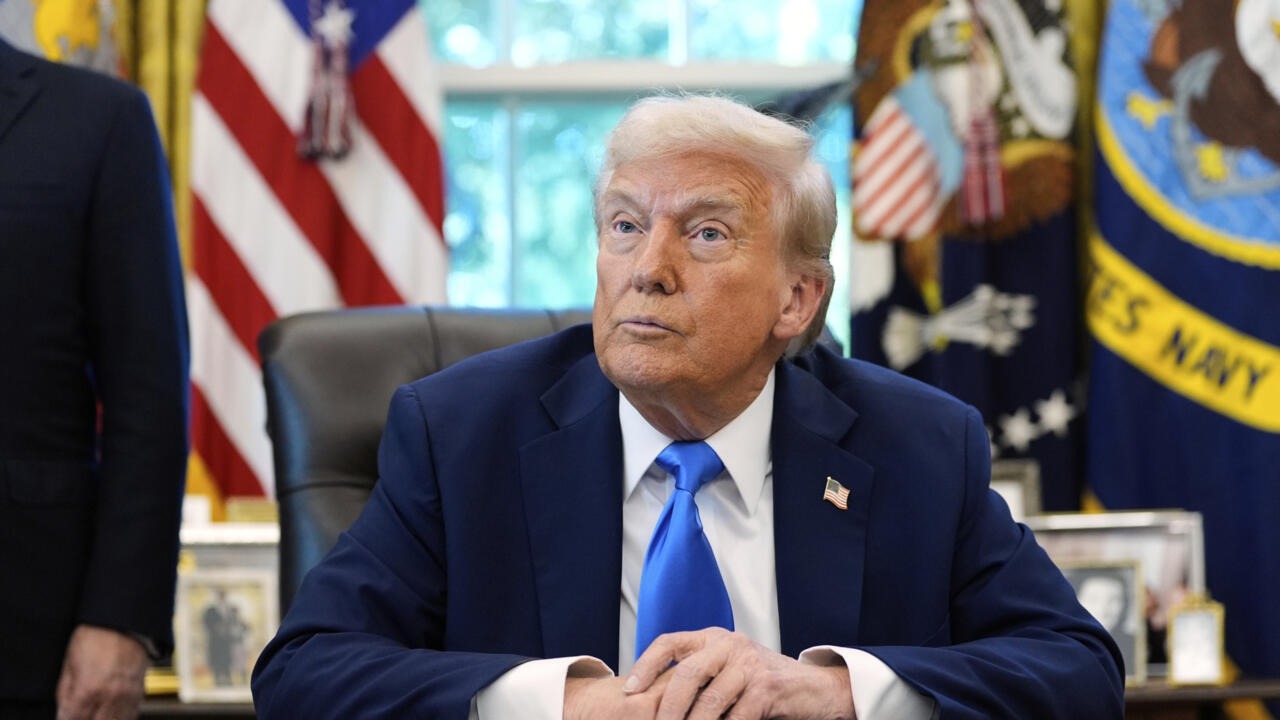
US President Donald Trump has ordered the United States Navy to begin enforcing a naval blockade targeting Iranian maritime activity in the strategic Strait of Hormuz, following the collapse of high-stakes peace negotiations with Iran, officials confirmed on Monday. The directive came after talks between US and Iranian representatives in Islamabad failed to produce an agreement, particularly over Tehran’s refusal to halt aspects of its nuclear program. As a result, Trump announced that the US would take unilateral action to restrict Iran’s access to key shipping routes, escalating tensions in an already volatile Gulf region.
According to US Central Command (CENTCOM), the blockade officially began on April 13 and will apply to all maritime traffic entering or leaving Iranian ports via the Strait of Hormuz. However, officials clarified that vessels transiting the waterway to and from non-Iranian destinations will still be permitted to pass, signaling a targeted rather than total shutdown of global shipping routes.
The Strait of Hormuz is one of the world’s most critical corridors, with roughly 20 percent of global oil supply passing through it under normal conditions. Any disruption in the area has immediate implications for global energy markets, and early reactions have already been significant. Oil prices surged sharply following the announcement, with benchmark crude rising above $100 per barrel amid fears of supply constraints. Shipping activity has also been affected, as several oil tankers began avoiding the strait ahead of the enforcement deadline, while others altered routes or delayed entry into the Gulf. Industry analysts warn that prolonged disruptions could increase insurance costs and further strain global supply chains.
The US administration has framed the blockade as a response to what it describes as Iranian attempts to control or exploit the waterway, including reported plans to impose transit fees or restrict access. Trump has argued that the move is necessary to ensure “freedom of navigation” and to counter what he termed “world extortion.”
Iran, however, has strongly condemned the action, warning that any enforcement of the blockade could be considered an act of war. Iranian Revolutionary Guard officials have indicated they may respond forcefully to US naval operations near the strait.
The development marks a significant escalation in the broader 2026 Gulf crisis, which has already seen military confrontations, a fragile ceasefire, and failed diplomatic efforts. Analysts caution that the blockade could deepen the conflict, disrupt global markets, and draw additional international actors into the crisis if tensions continue to rise.
As of Monday April 13, 2026, diplomatic efforts to revive negotiations remain uncertain, with both Washington and Tehran signaling hardened positions in one of the most consequential geopolitical flash-points of the year.